
Colour And Calm
I cannot sing the praises of Oaxaca enough. Think of it as a chilled, compact and highly-saturated contrast to the buzz of Mexico City. It’s a destination that inspired the film ‘Coco’ (I’m still obsessed with ‘Un Poco Loco’) and will allow you to understand the breadth of Mexican culture.
Well, I say compact. Oaxaca is actually a huge state as well as a city, with more indigenous groups than any other part of Mexico. This means that there’s an array of different dishes, customs and crafts to admire, each with centuries of history behind them.
The first thing to note is that Oaxaca is pronounced with a ‘w’ (like the restaurant Wahaca) as the X is sounds like a Spanish ‘j’ or British ‘h’. It’s in the South West of the country, so around an eight hour drive from Mexico City (we stopped off in Puebla for a night) or a two hour flight.
I spent a week lapping up all the creativity as part of Haute Culture Textile Tours, taking part in workshops, shopping up a storm and immersing myself in the colourful Guelaguetza festival.
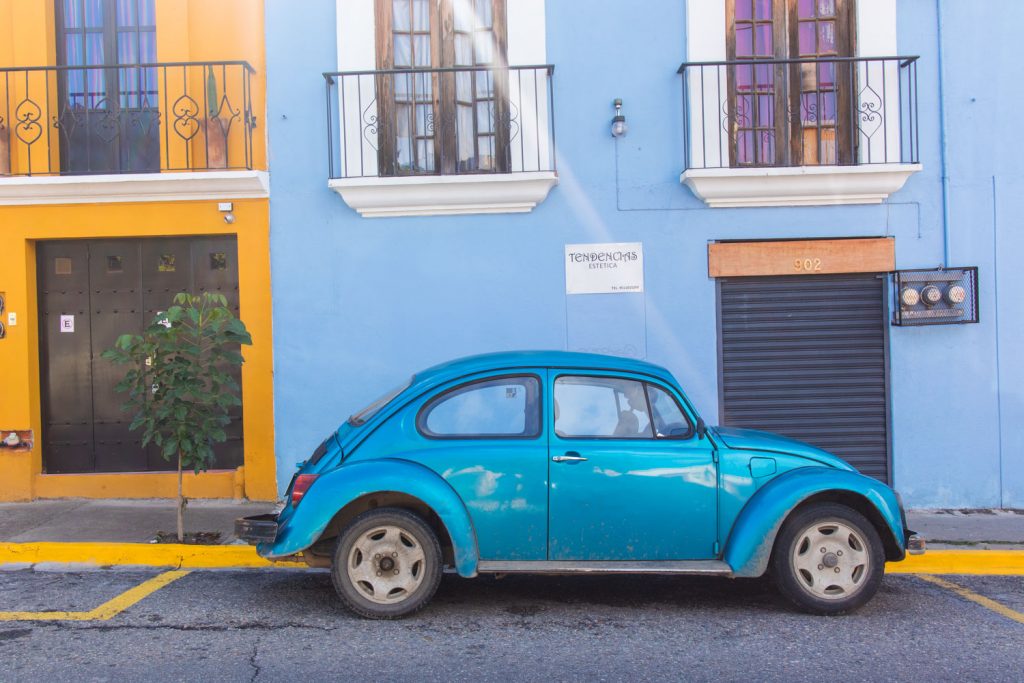
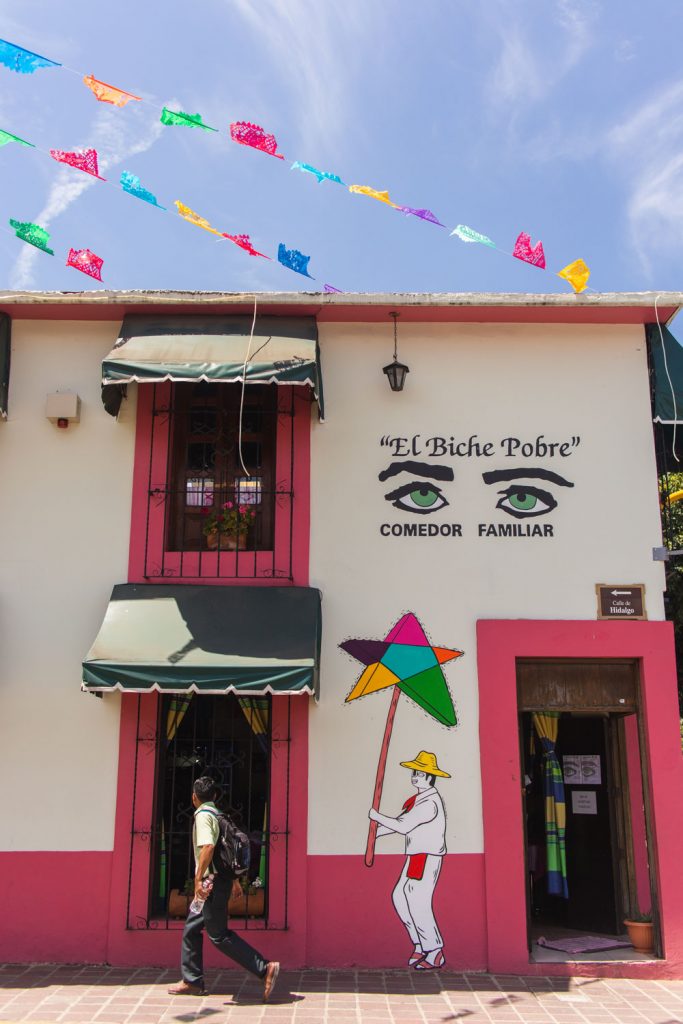
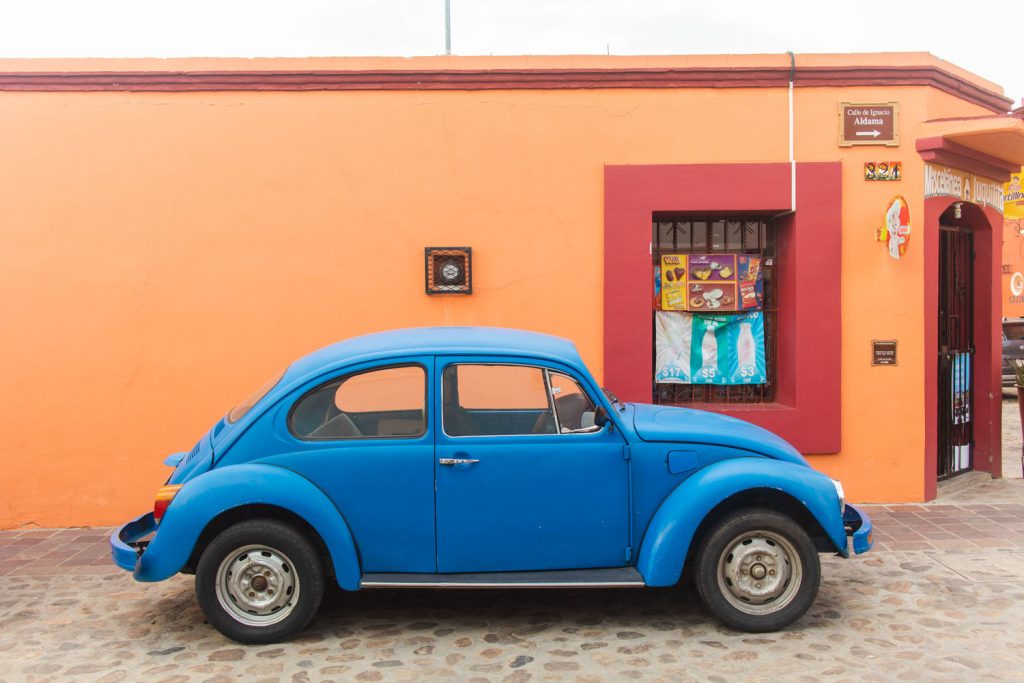
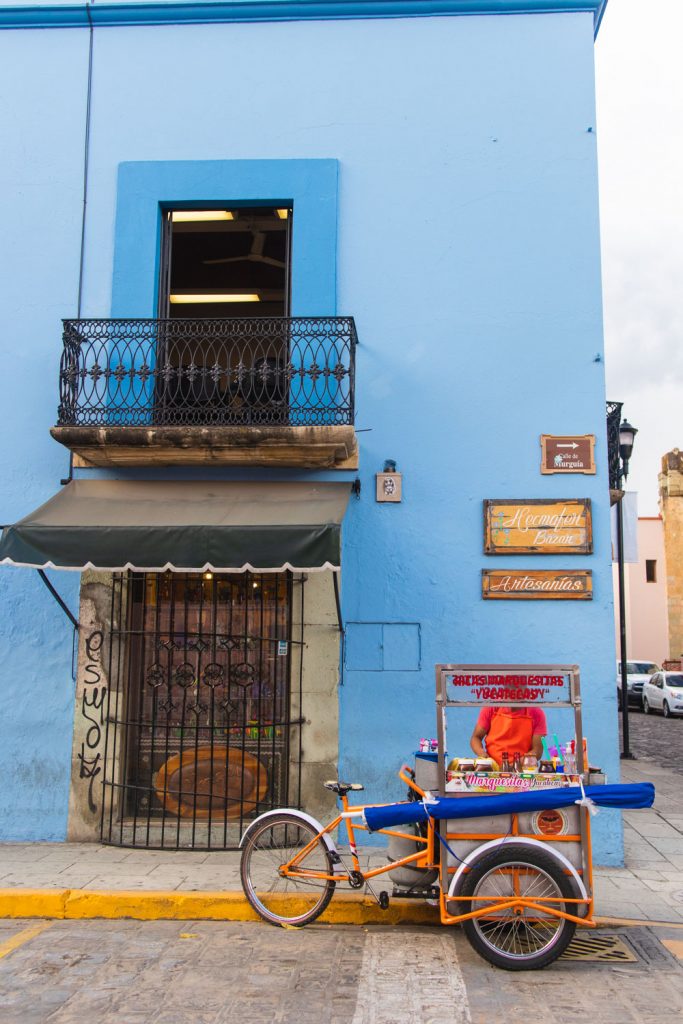
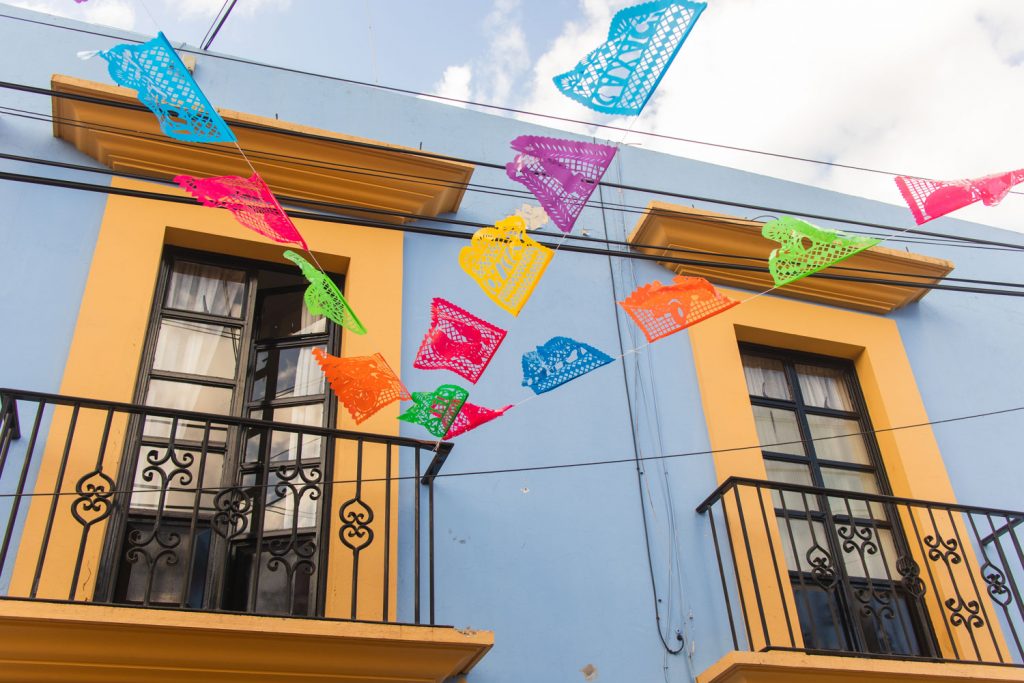
Although I visited at one of the busiest times, I couldn’t fail to be charmed by the colourful bunting, murals and occasional ‘Buenos Tardes’ from a kind stranger.
This is everything I got up to, plus prices for the six baskets and mezcal I brought back with me. When in Oaxaca after all…
This post contains some affiliate links
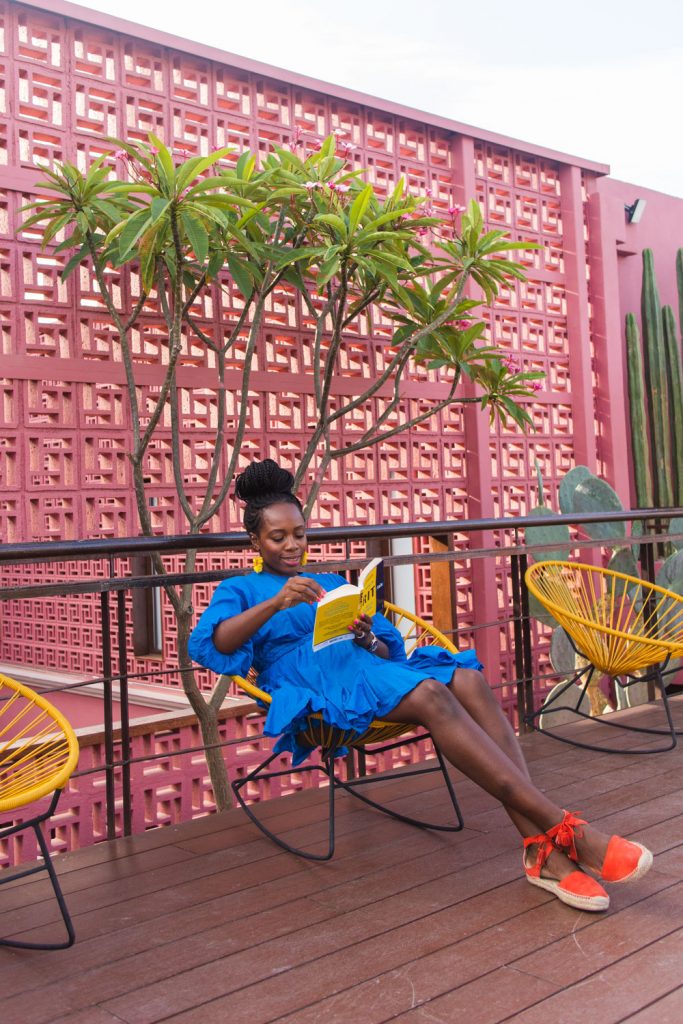
The Mexican Pink Hotel
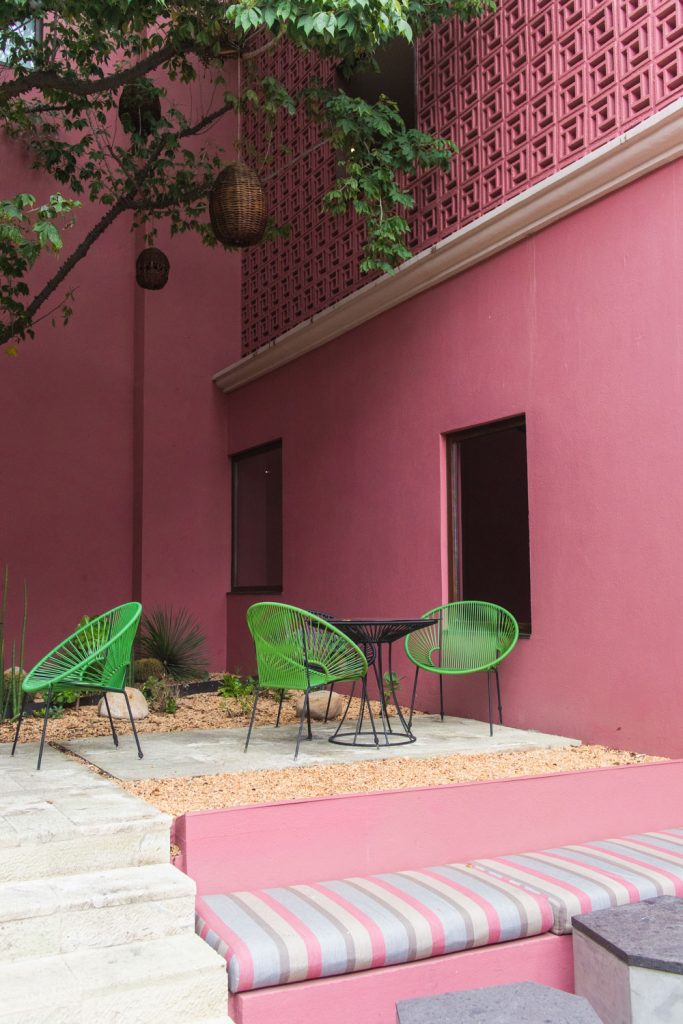
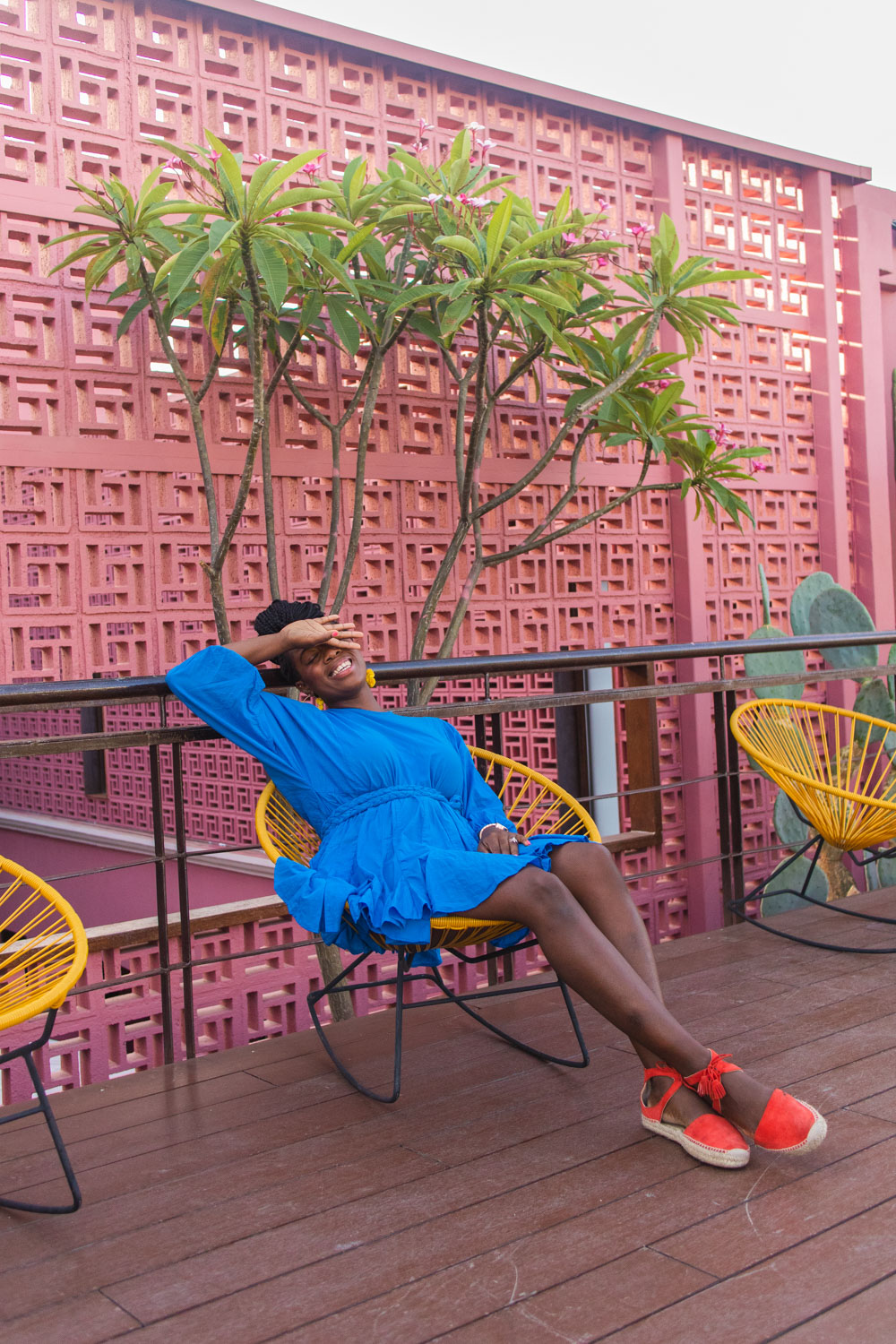
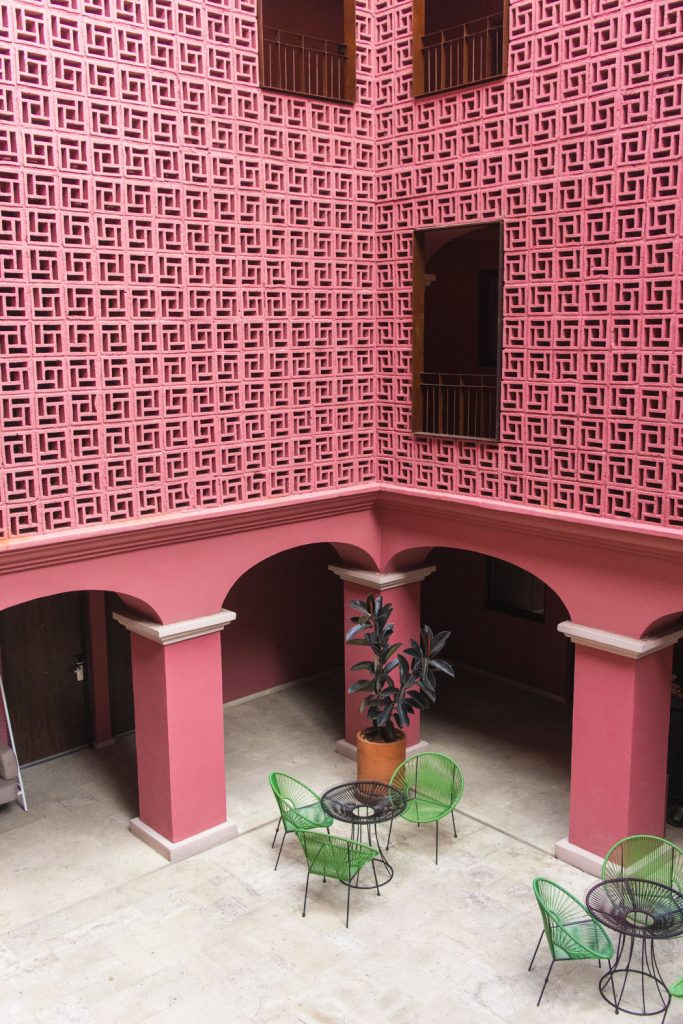
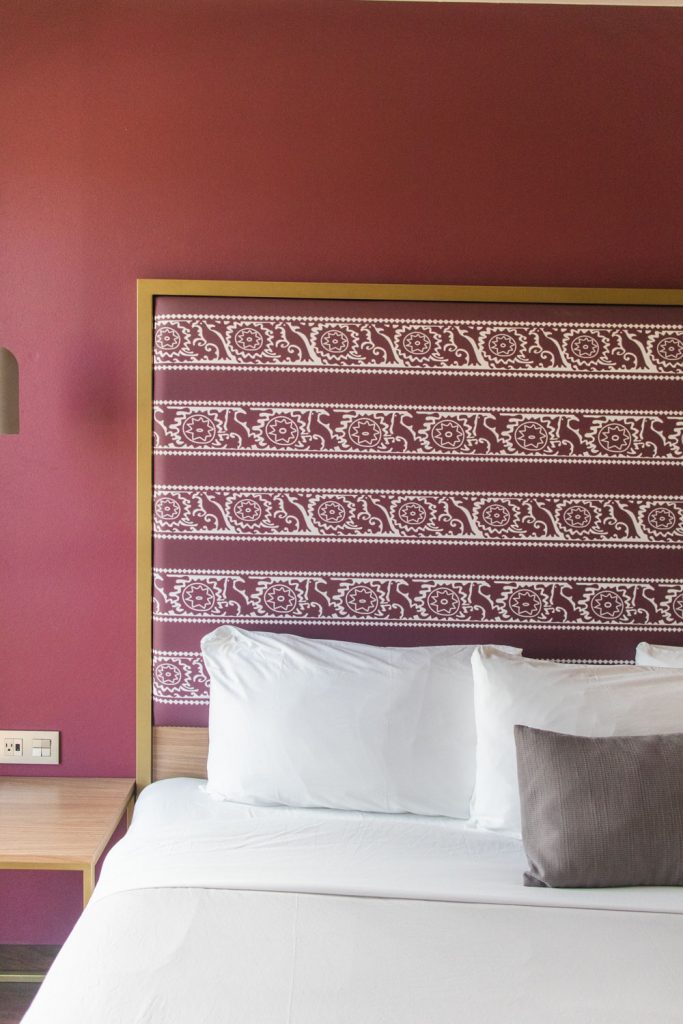
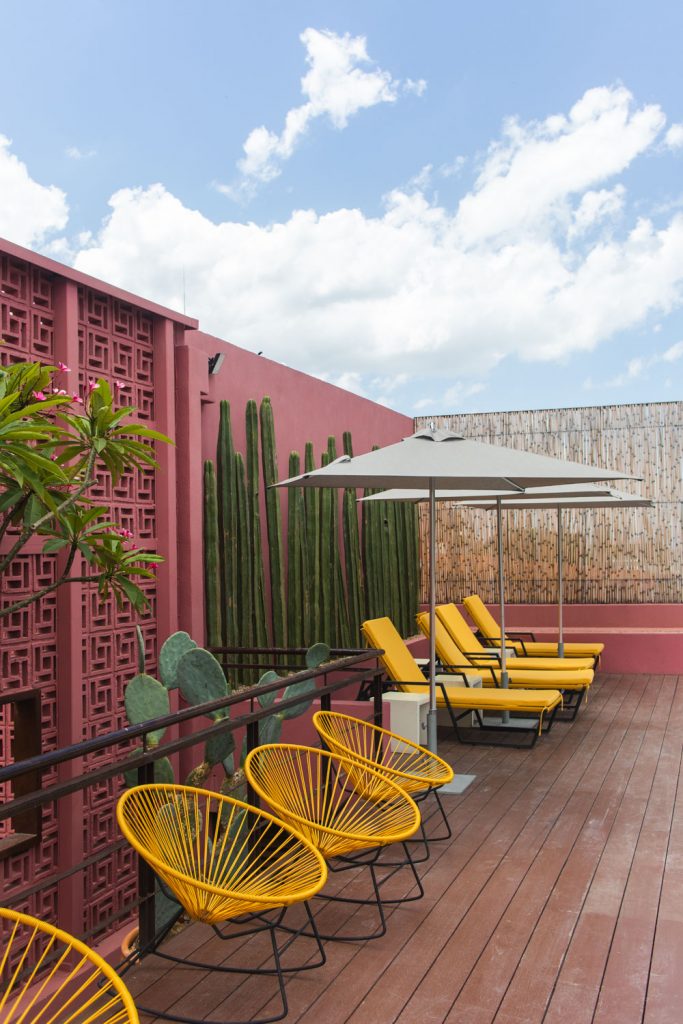
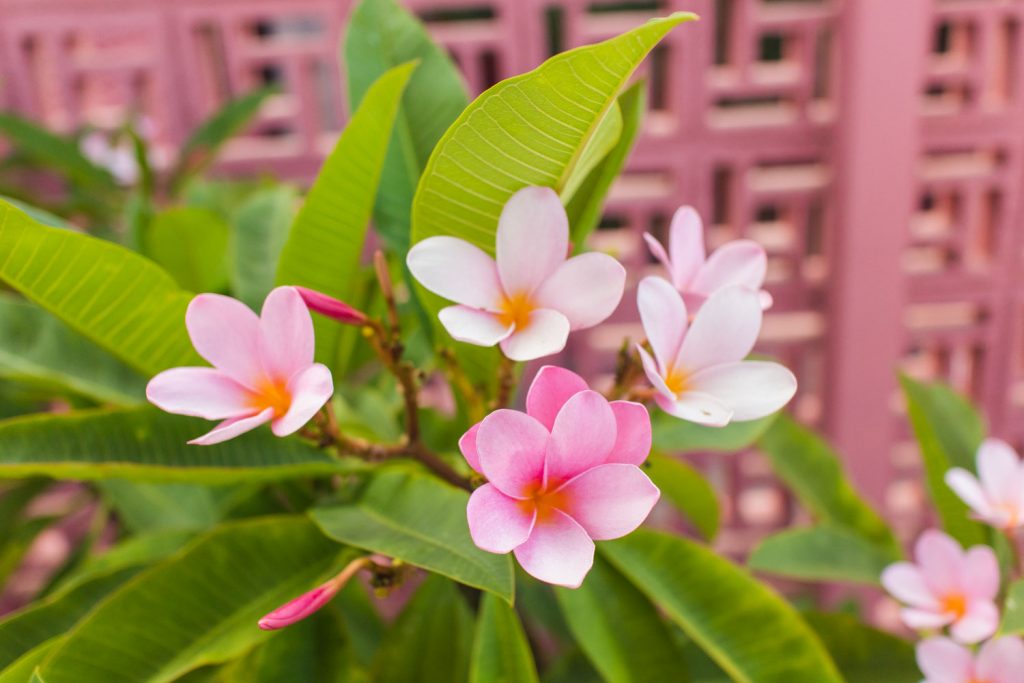
I’m adding the Hotel City Centro Oaxaca to the ‘Pinterest Made Me Do It’ category. You may have noticed that a single search floods your home feed with similar pins and this one stood out thanks to the vibrant shade of ‘Rosa Mexicana.’ I’m so glad that I cancelled my previous choice (I was planning to stick to the tour’s hotel) and decided to treat myself. It’s pink!
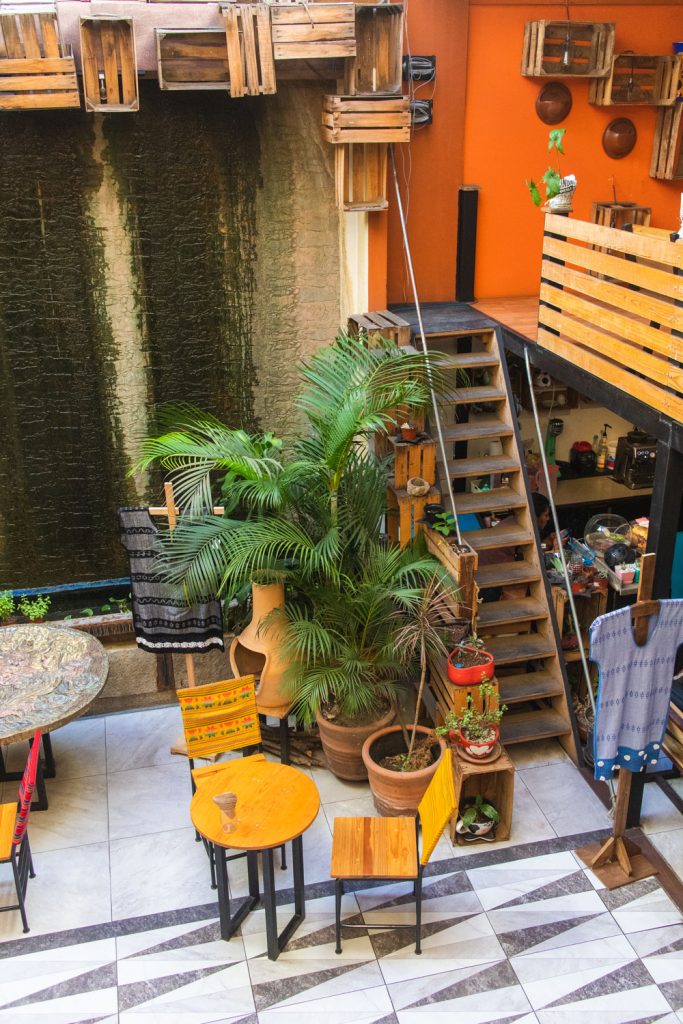
The hotel is located in Jalatlaco (one of the oldest neighbourhoods in Oaxaca) and was formerly a tannery in the 19th century. As soon as I saw the stunning courtyard, complete with woven Acapulco chairs and geometric touches, I instantly felt at home. The calm surroundings are a definite contrast to the roads around the Zócalo and it’s the area to stick to if you fancy living like a local.
I didn’t get the best rate as I booked a couple of weeks before the Gueleguetza, but you can get a room for under £100 if you’re well-prepared and know your dates. Check out is at 1pm, breakfast is included and there’s a free shuttle if you fancy avoiding the 30 minute walk to all the markets.
See the hotel for yourself over on YouTube!
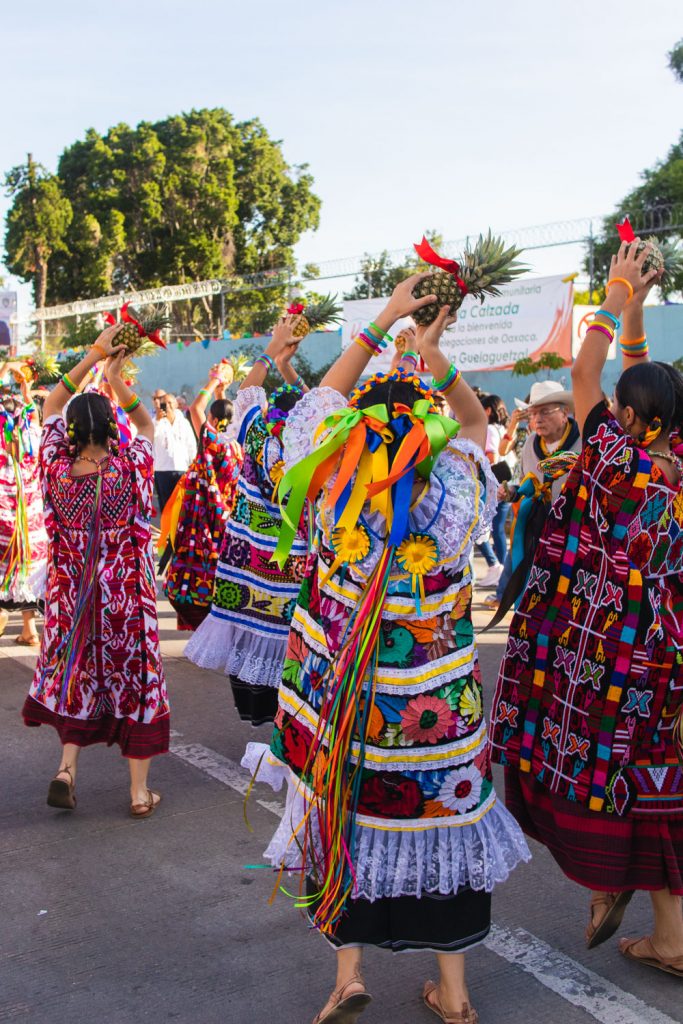
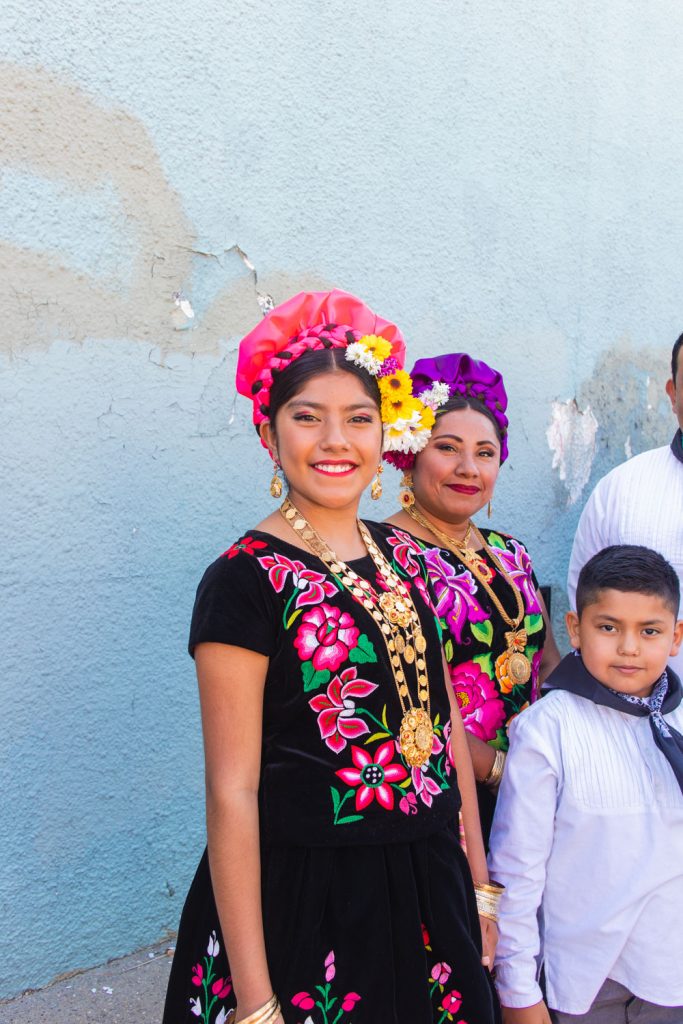
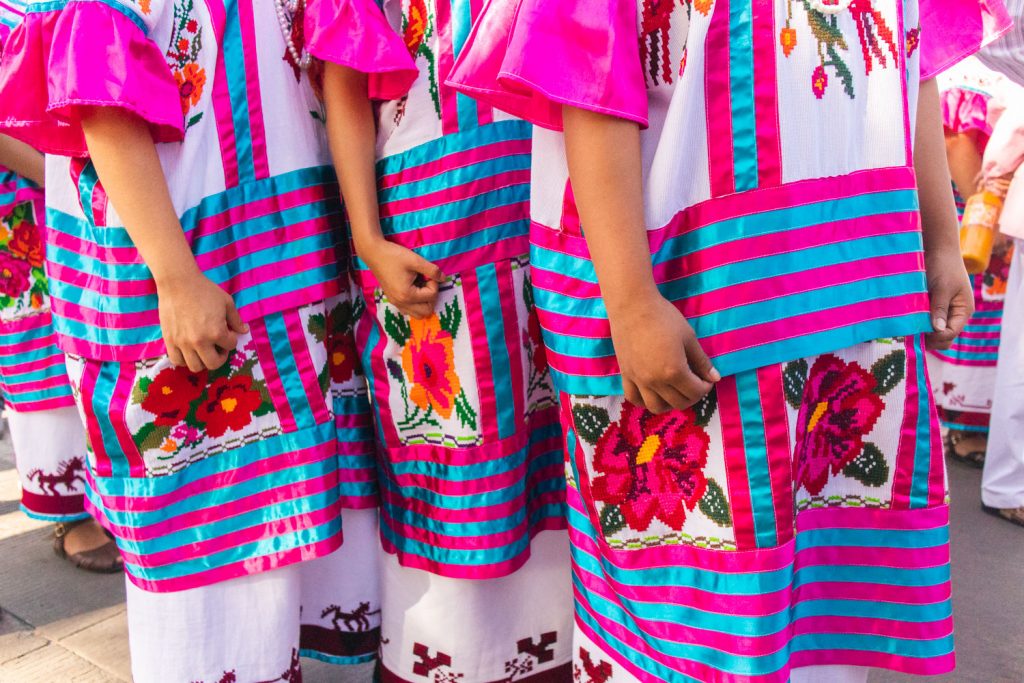
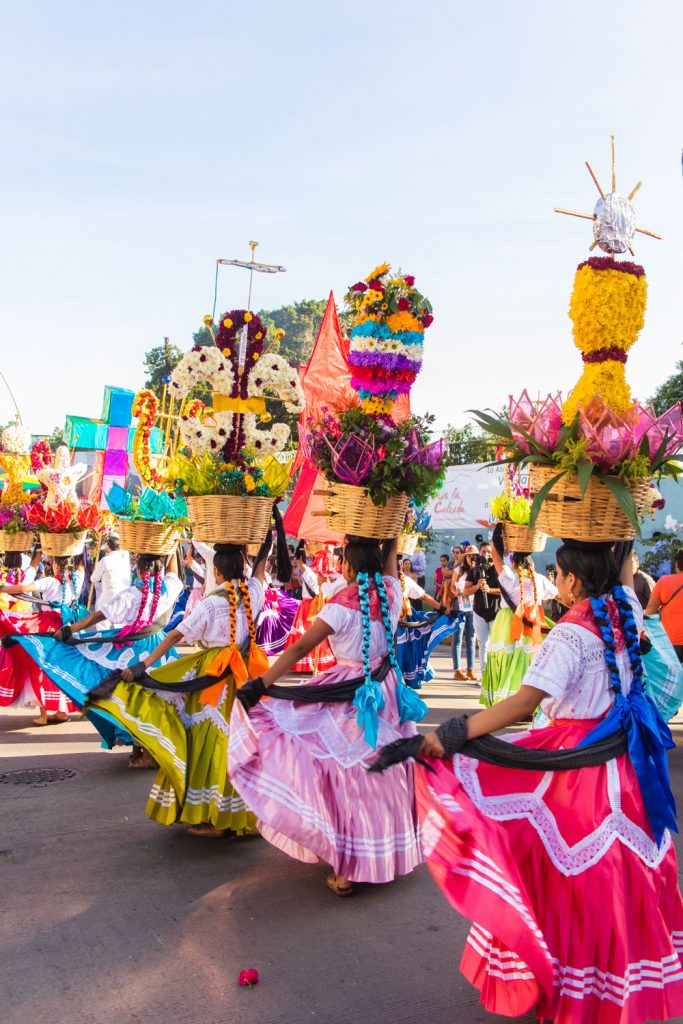
The Guelaguetza Experience
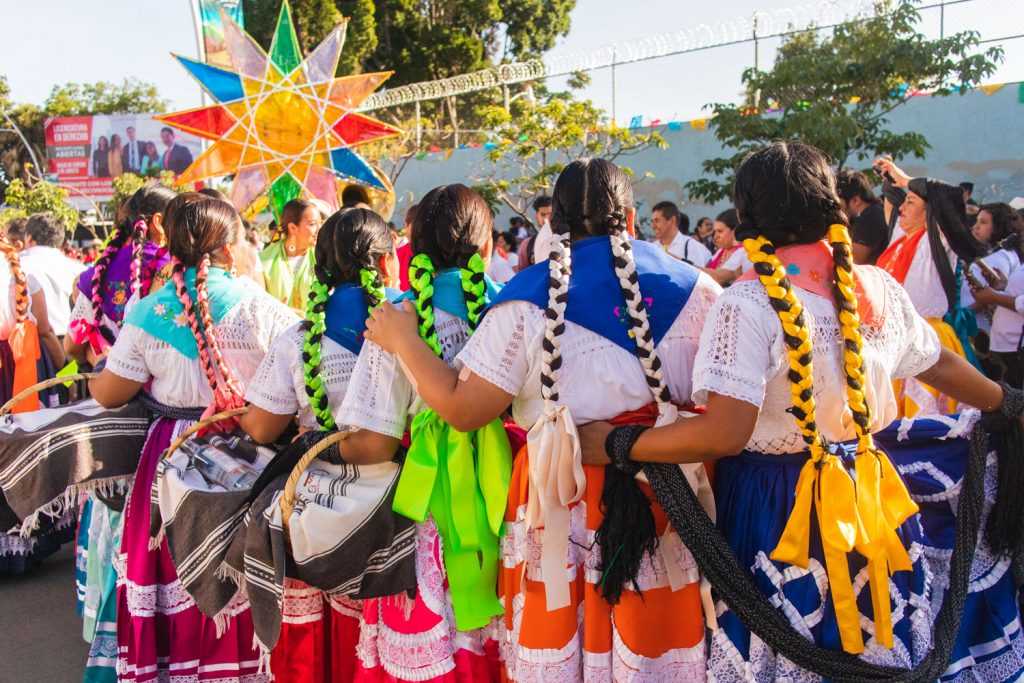
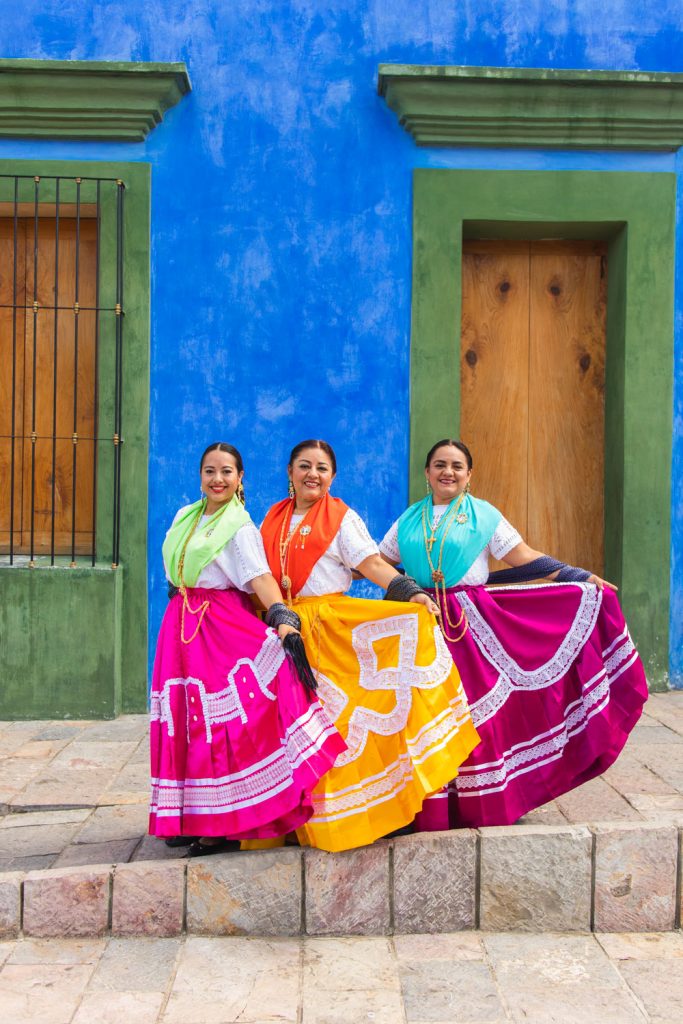
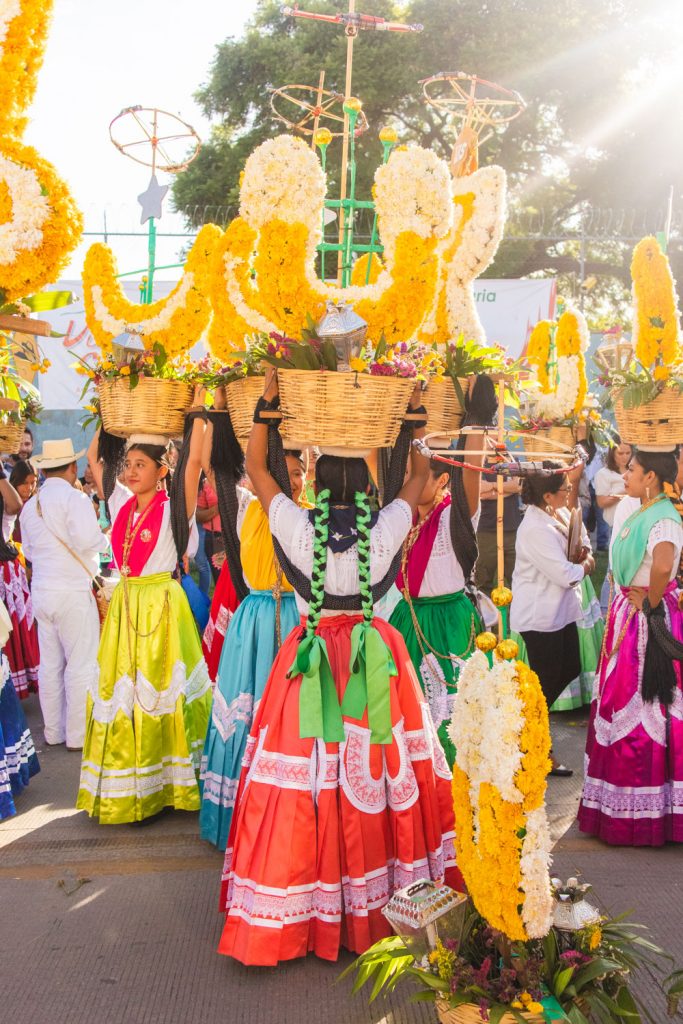
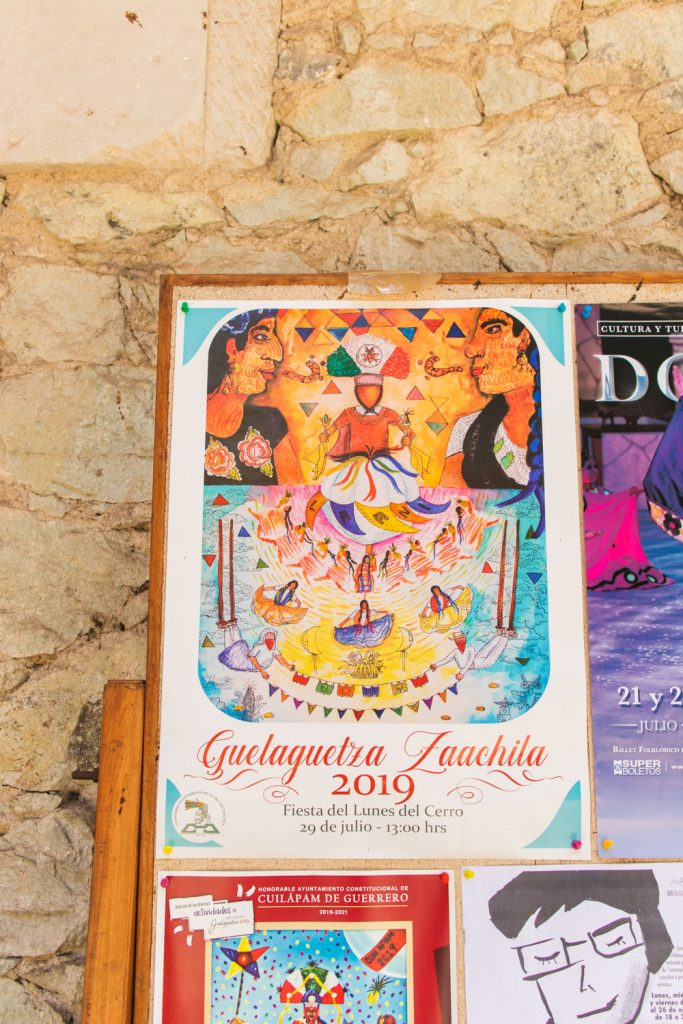
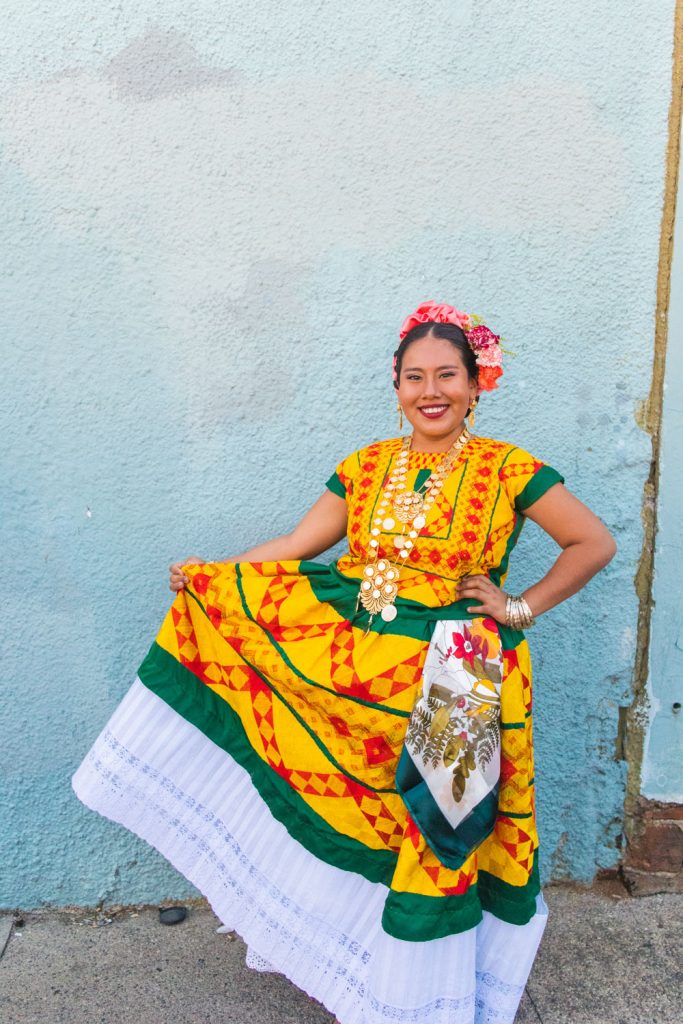
Now would probably be a good time to explain about this annual celebration. The Guelaguetza is a vibrant festival that usually happens on the last two Mondays in July and it’s a must if you want to see Mexican textiles come to life.
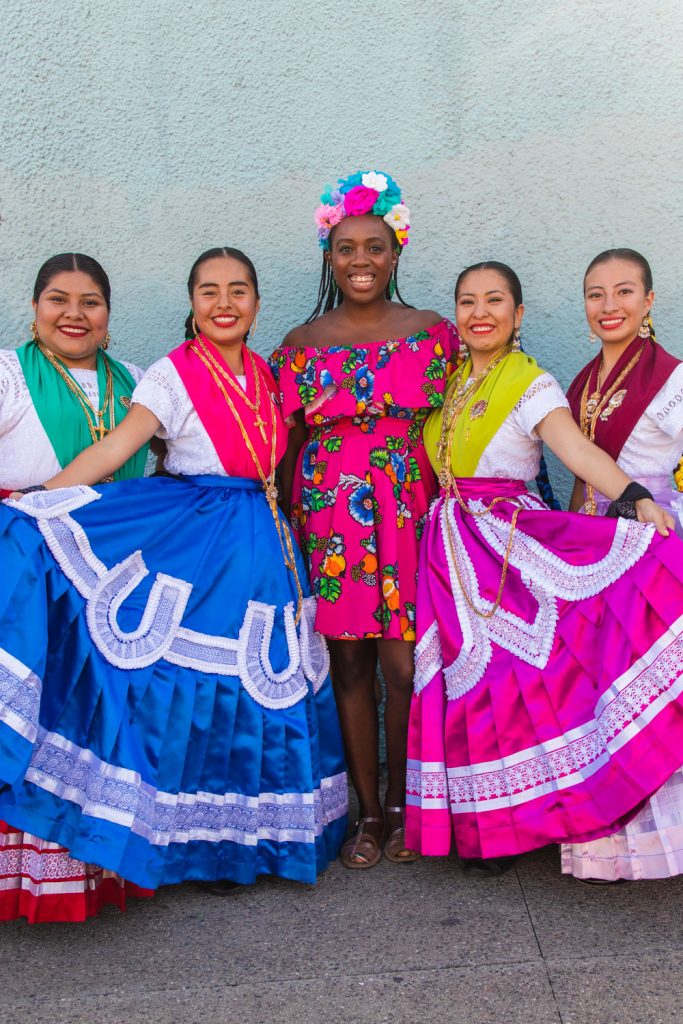
Oaxaca consists of eight different regions and within that, there’s so much diversity when it comes to the outfits, foods and dances of various communities. This week of celebration dates back to pre-Hispanic times and allows everyone to don their finest wares and have a good old party.
Although there’s more demand for flights and hotels around this time, it’s a chance to really get stuck into local traditions. The term ‘Guelaguetza’ roughly translates as ‘to share’, so things like sweets, mole and even shots of mezcal are passed to the crowd (I definitely felt a bit tipsy after having five shots in quick succession).
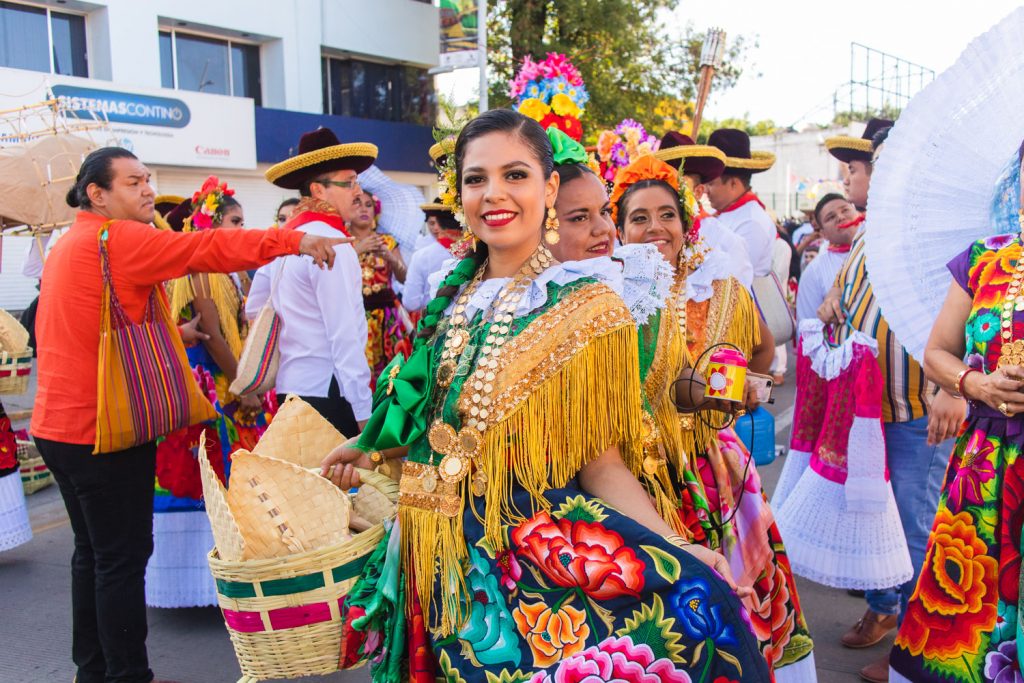
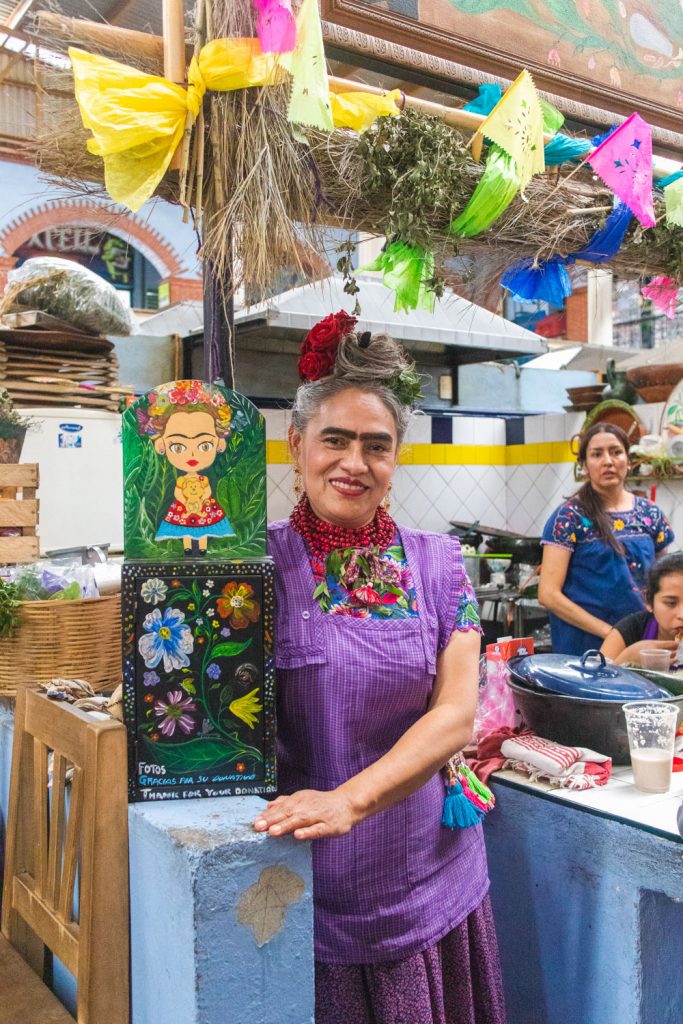
There’s events throughout the week (plus traditional dance shows in the purpose-built auditorium) but the Parade of Delegations is free to view and usually takes place on a Saturday evening. I’d recommend heading to the start for the best photo opportunities (for us it was around Avenue Belisario Domínguez and Calz. Porfirio Díaz). I may have accidentally ended up in a few tv segments due to my floral headpiece…
The Colourful Markets
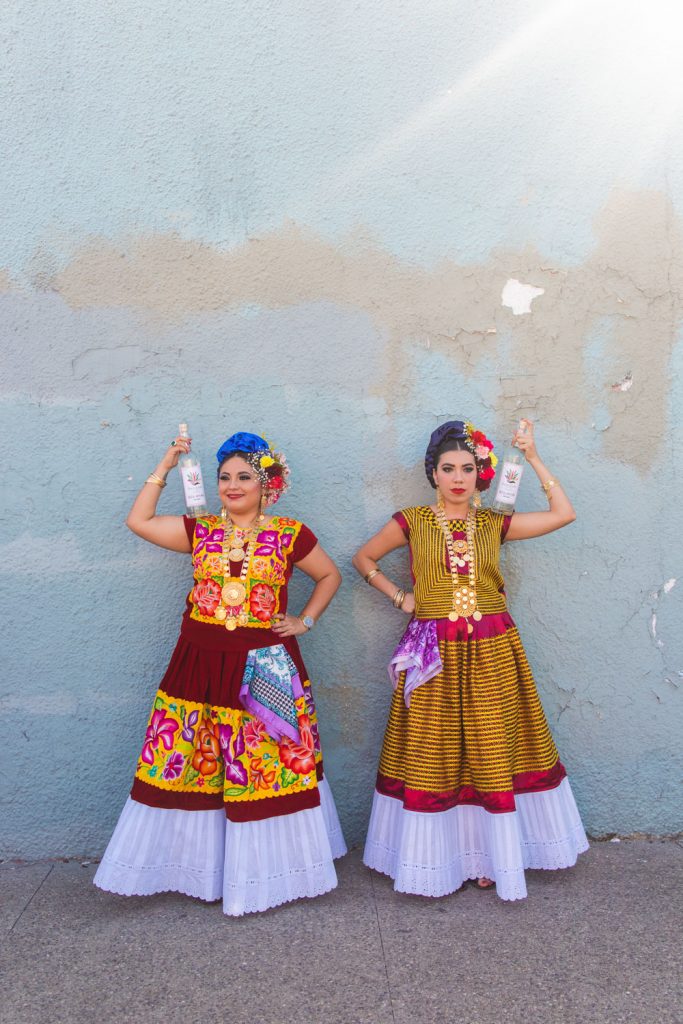
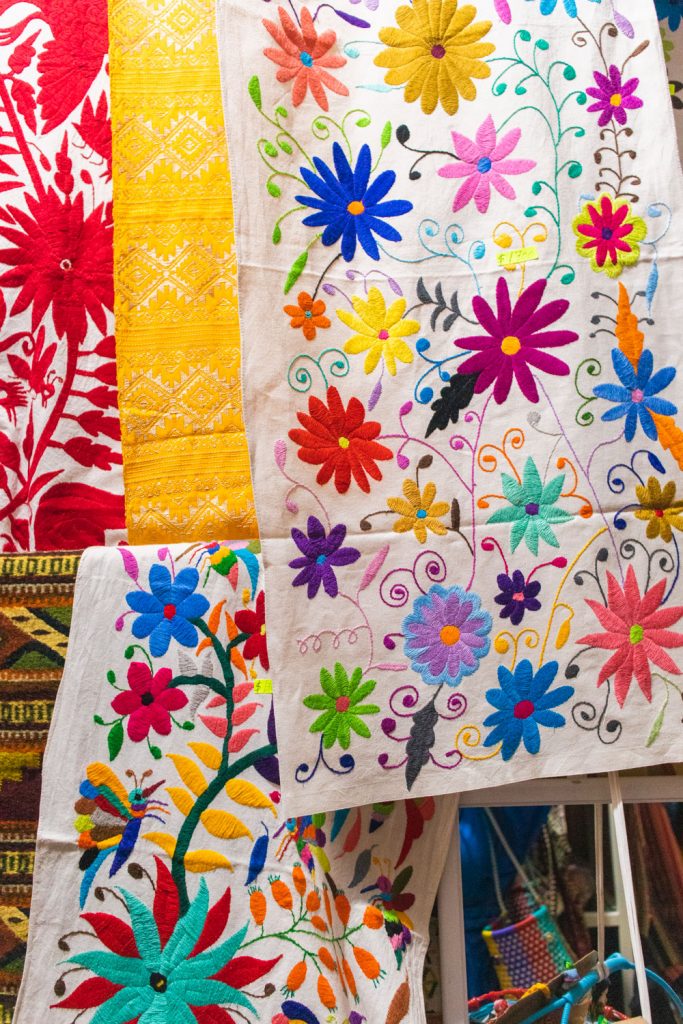
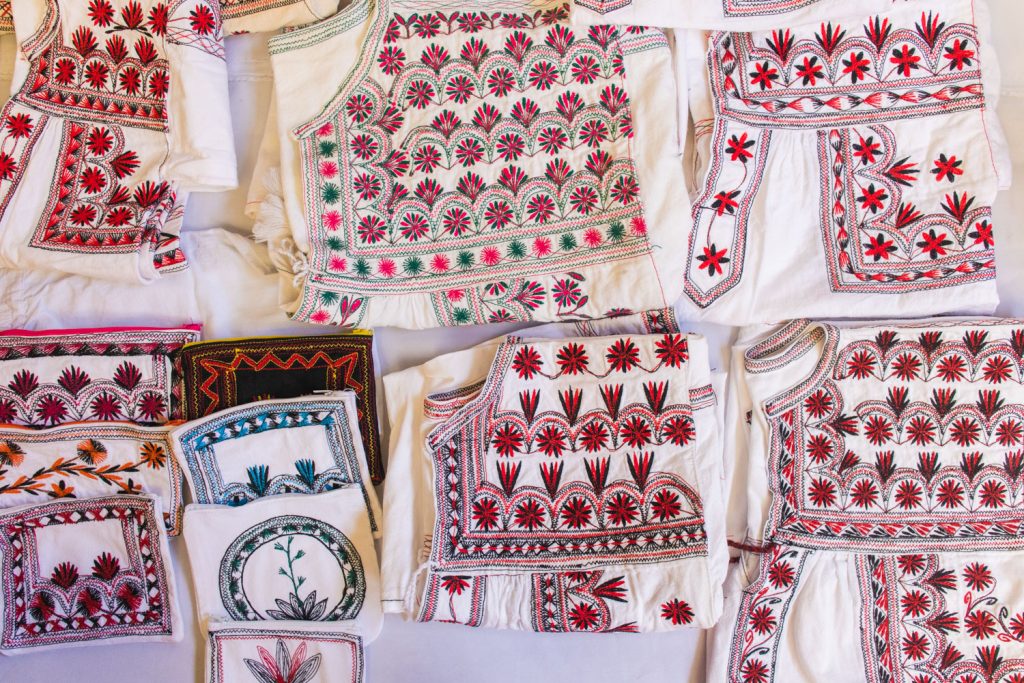
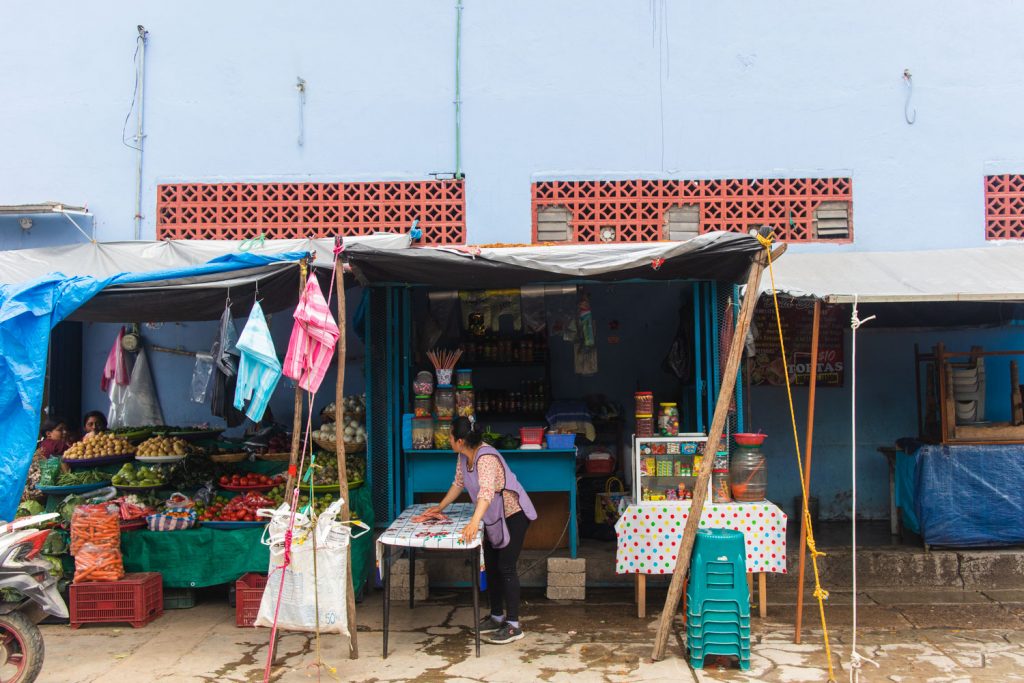
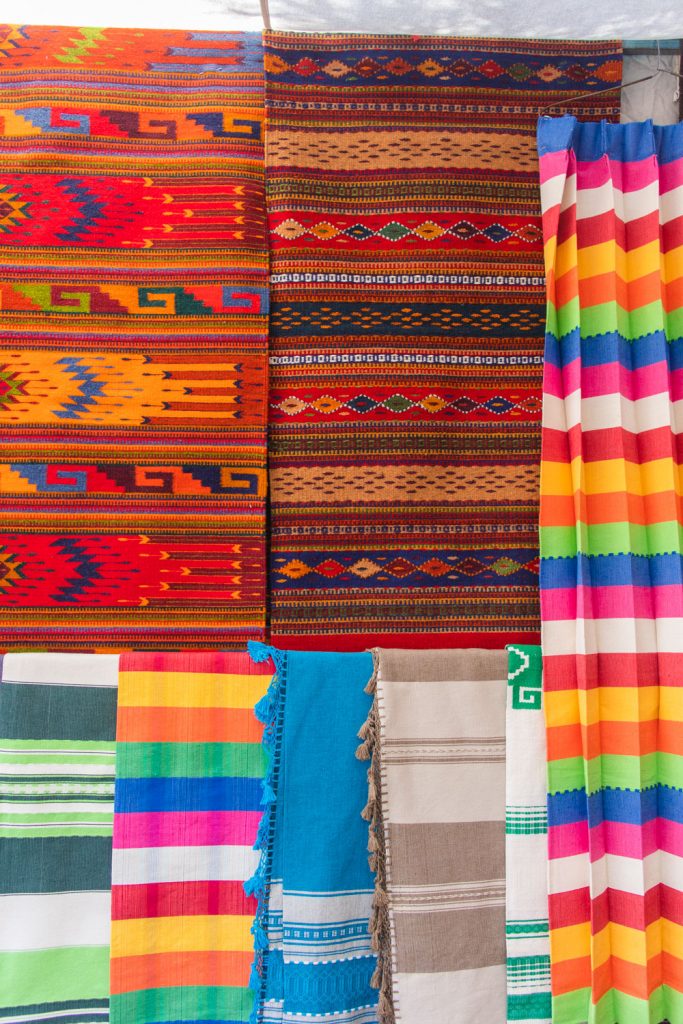
OMG the shopping! As we were in town for the Guelaguetza festival, it seemed like most streets in Oaxaca were a spending opportunity. It’s a time when of the different indigenous groups come together to sell their distinct embroidered garments, jewellery or homeware and can be overwhelming at first.
Hopefully you’ve booked a few days in town, so I’d recommend venturing out to the markets a couple of times to get to grips with everything on offer. Question whether you’ll really use that woven fruit bowl or how you might style a blouse from Tehuantepec. Look at all the different styles of embroidery, get a second opinion from friends back home and go for what makes your heart flutter.
The tour advised us on the best fairtrade places that are authentically Mexican and fortunately you can shop at places like Huizache, Mujeres Artisans and La Casa Del Rebozo all year round. The standalone stores offer more of a curated edit, English-speaking staff and cards are generally accepted.
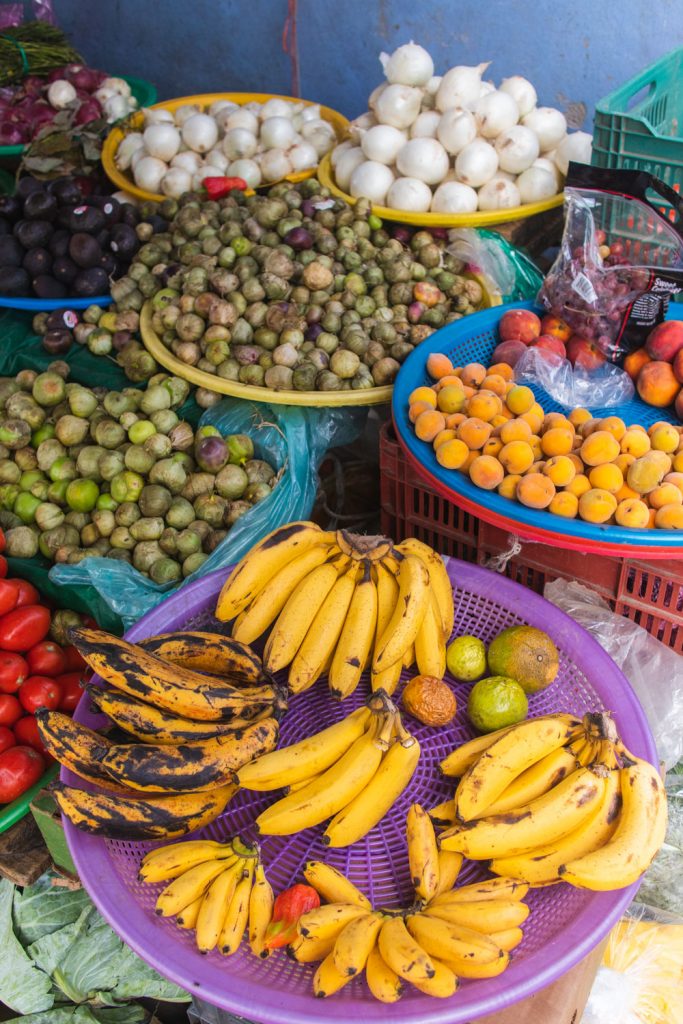
Alternatively there are the Mercado Benito Juárez and Mercado de Artesanías. The former is filled with clothes, shoes, homeware, crafts, jewellery and food, so you may need to dodge the smell of raw meat. The artisan market is a little calmer and boasts 84 stalls devoted to Mexican and Guatemalan fabrics. Be prepared with phrases from Google Translate if your Spanish is non-existent.
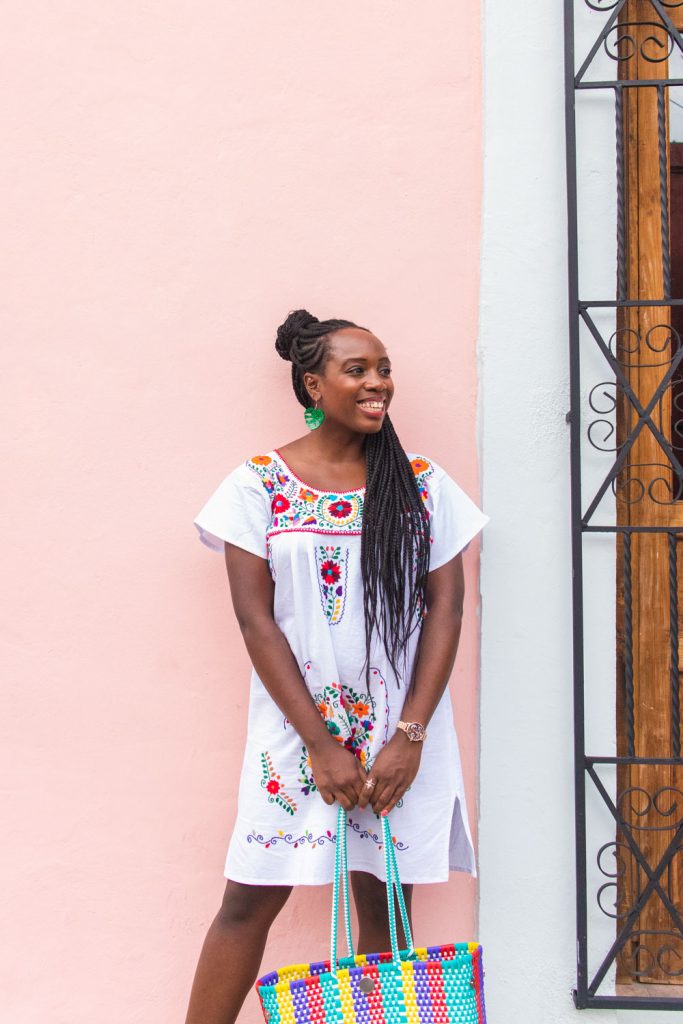
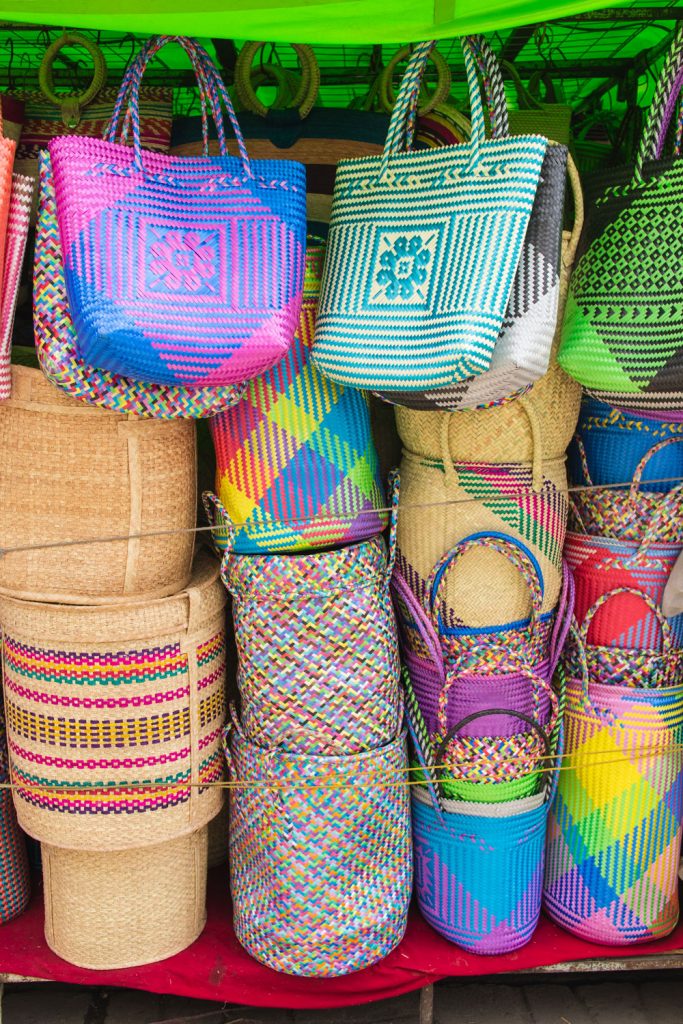
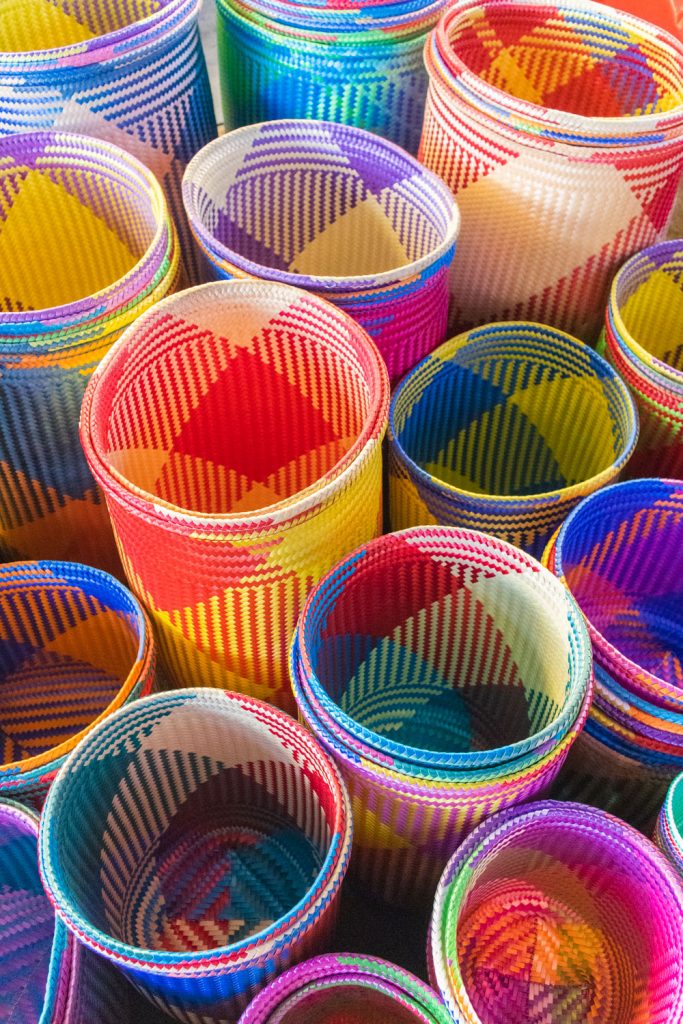
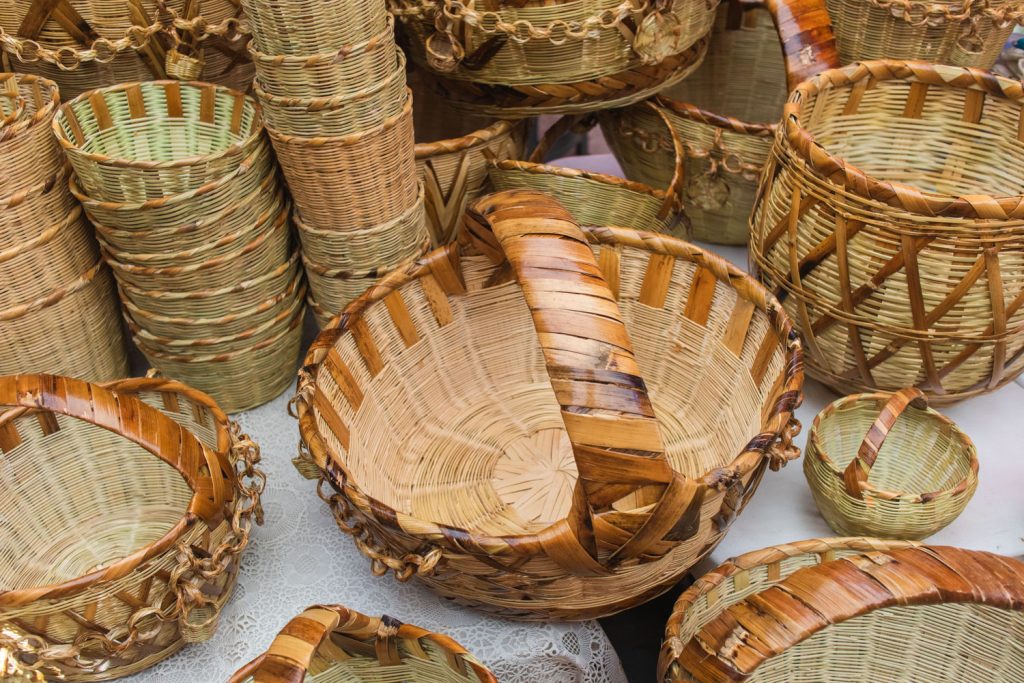
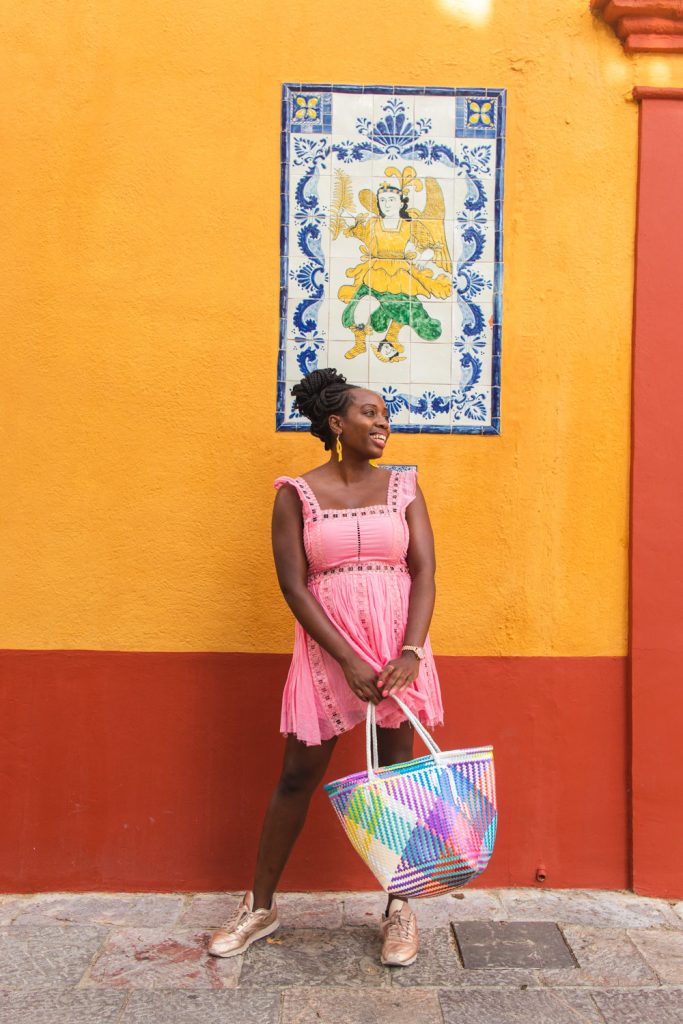
The upside is that the prices are lower in the markets and you may be able to get a better deal. I bought some large woven plant pots for around £3, a cushion cover for £13 and most basket bags were 50% cheaper than what I’d paid in Playa del Carmen (£6 instead of £15). There were amazing intricate sandals for around £15, but most didn’t go up to a UK 8 (sob).
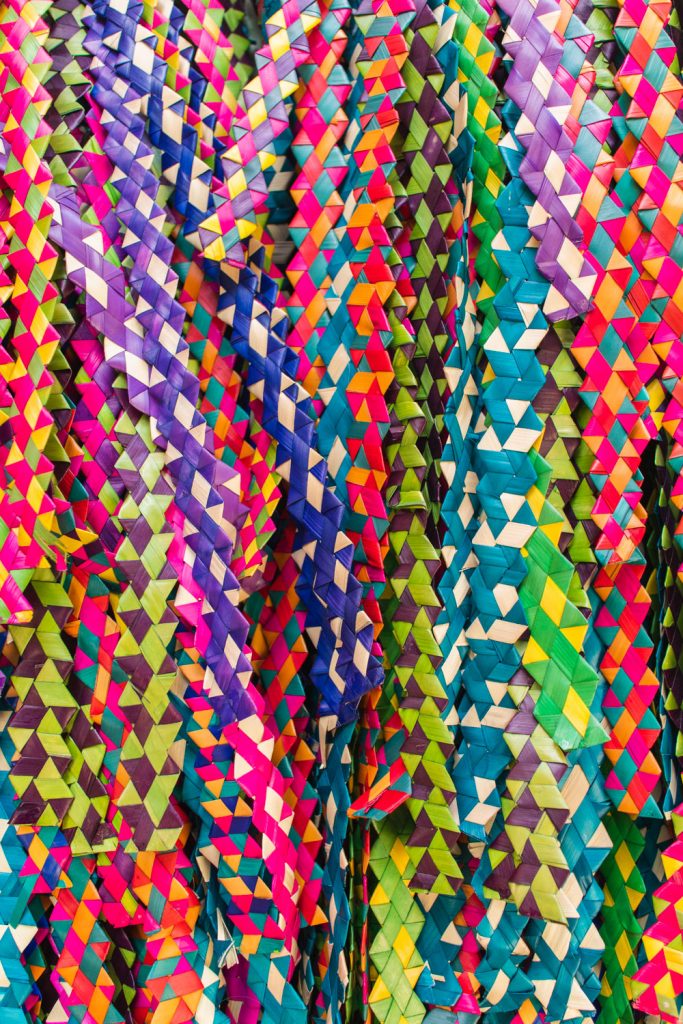
The tour also brought us to Tlacolula market, which took me from thinking ‘I am way too tired for this’ to ‘I just want to buy baskets all day!’ Sunday is the day when the town gets transformed into the most intense shopping experience and it’s so easy to lose your bearings (drop a pin into Google Maps so you can find your meeting point).
Tlacolula is around 45 minutes away from Oaxaca and you should be to take a colectivo bus from the baseball stadium or a private car for around £12. There’s stalls with everything under the sun and it’s also pretty cool to see stuff being woven right in front of you.
Eating, Drinking & Everything Else
Add some of these locations to your Google Maps and you’re guaranteed to stumble across charming architecture, murals and mezcal tasting opportunities. Unfortunately I had to miss Hierve El Agua and fabric dyeing at Teotitlán del Valle due to illness, but it’s worth knowing about them just in case you have some time spare.
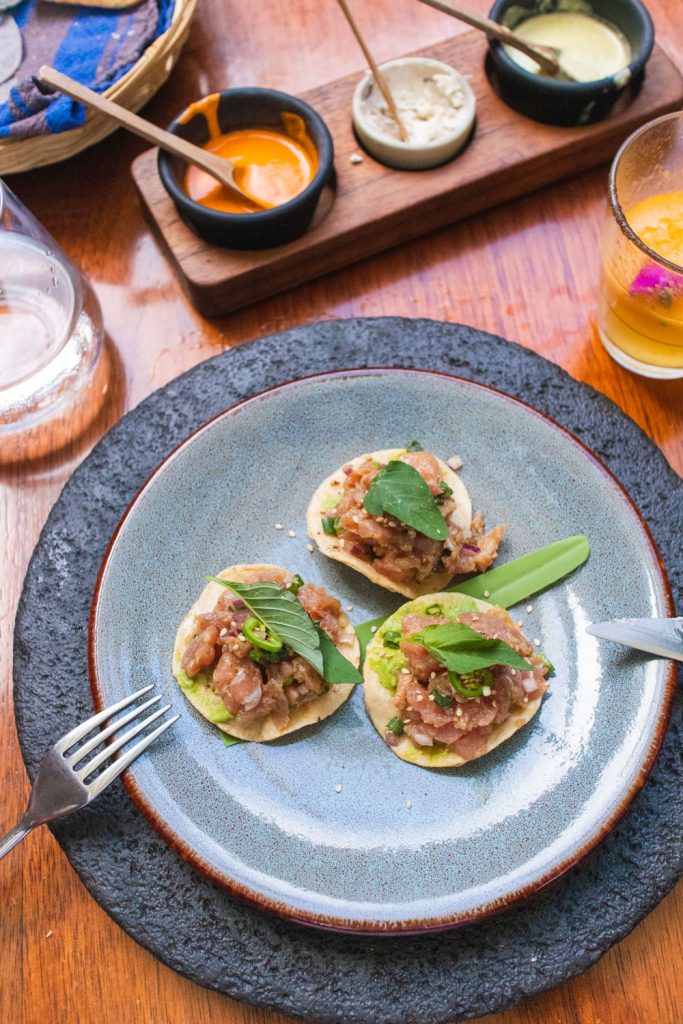
Los Danzantes – This is probably one of the fancier places to dine at in Oaxaca, with beautifully presented food and the most inventive bread and butter combination I’ve ever tried (hello mushrooms and garlic). You’ll find traditional Mexican dishes with a contemporary twist and most mains come in at £6-£14. Book beforehand and try one of their signature mezcalitas.
La Red – One of the guides recommended La Red as I had a major seafood craving after a day of chicken-in-a-sauce meals in Puebla. There’s a couple of branches dotted around and amazing prices (I got major food FOMO after not ordering the garlic prawns for £4.50).
Alhóndiga Reforma – This reminded me a little of a mini Spitalfields market, with lots of street-food style options under one roof and shopping upstairs. It’s perfect if you’re with a group of people and all want different things, plus there’s lots of simple soup options if you’ve been defeated by Montezuma’s Revenge.
Marisquería Playa del Carmen – More seafood! Basically I wanted to have as much ceviche as possible as I knew it’d be hard to get back in Blighty. Marisquería Playa del Carmen definitely delivered with a huge portion for £3 and plenty of tortillas on the side.
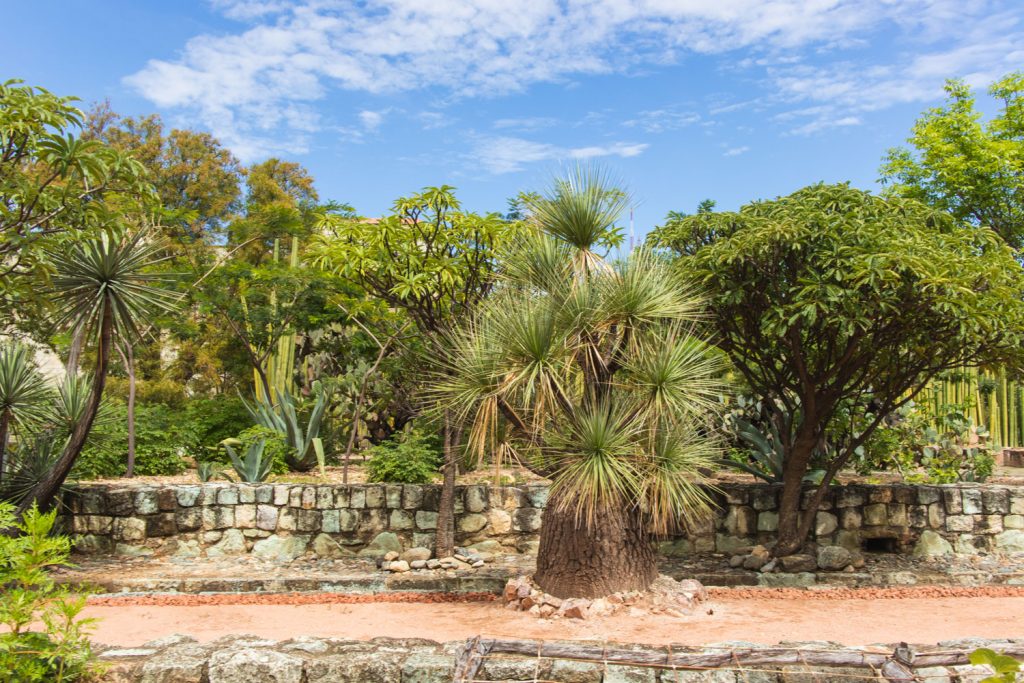
Jardín Etnobotánico de Oaxaca – Did you know that there’s over 60 different kinds of pepper in Mexico? Definitely visit the botanical gardens if you’re green-fingered and curious about the biodiversity of the region.
The main thing to note is that you can only visit as part of a tour and aren’t allowed to wander off independently. It can seem a little long, especially if temperatures are over 25 degrees and there’s a small window of time for photos at the end.
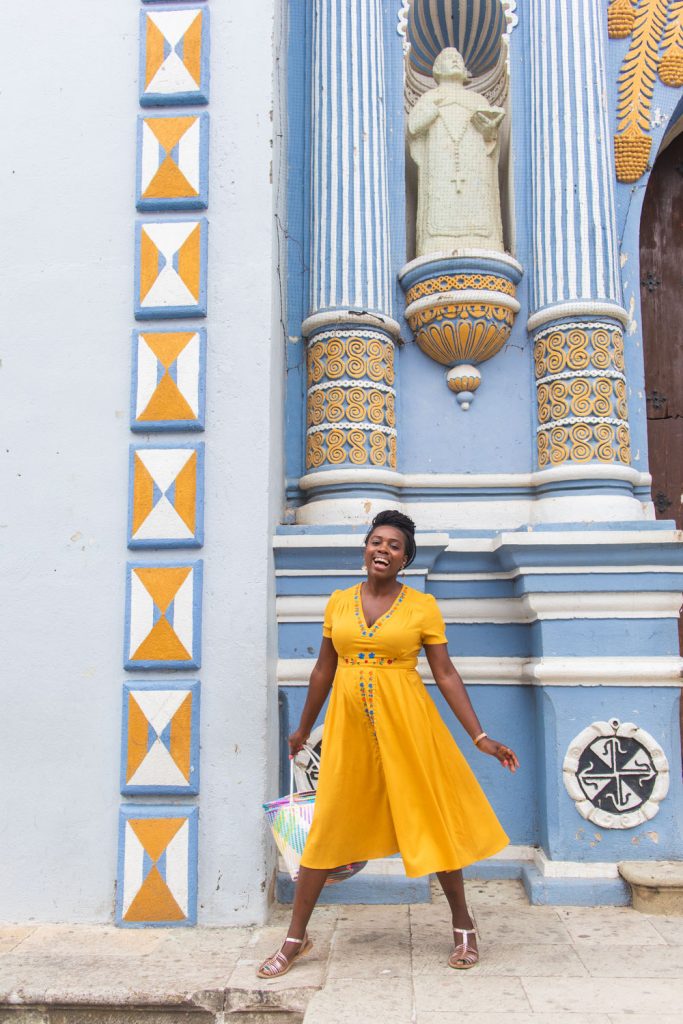
Museo Textil de Oaxaca – Come for the much-Instagrammed courtyard, stay for the 110 different embroidery variations that can be found in Oaxaca. There’s a huge collection of Mexican and Central American textiles to admire, plus some of the educational activities for kids taught me a thing or two about weaving.
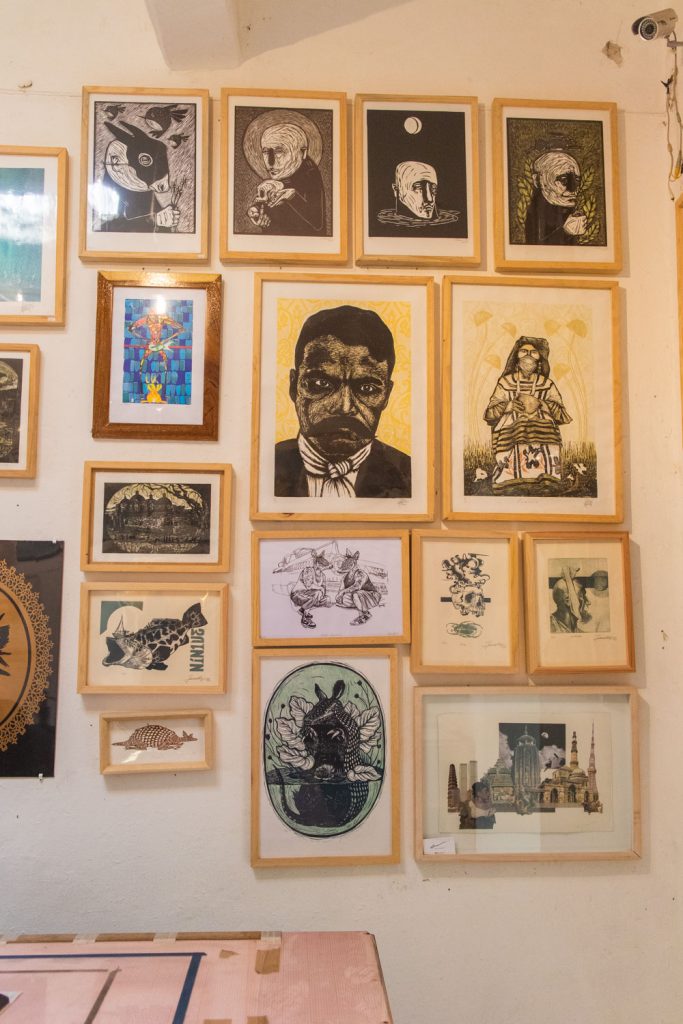
Espacio Zapata – It’s hard to believe that some of these artworks weren’t done with paint or ink, but a highly labour-intensive woodcut printing technique. Espacio Zapata is focused on creating art with a conscience, so they use old techniques to comment on things like politics and the commercialisation of the Guelaguetza.
You can support their mission by taking part in a workshop (there may be a mezcal shot) or buying one of their screenprinted tees.
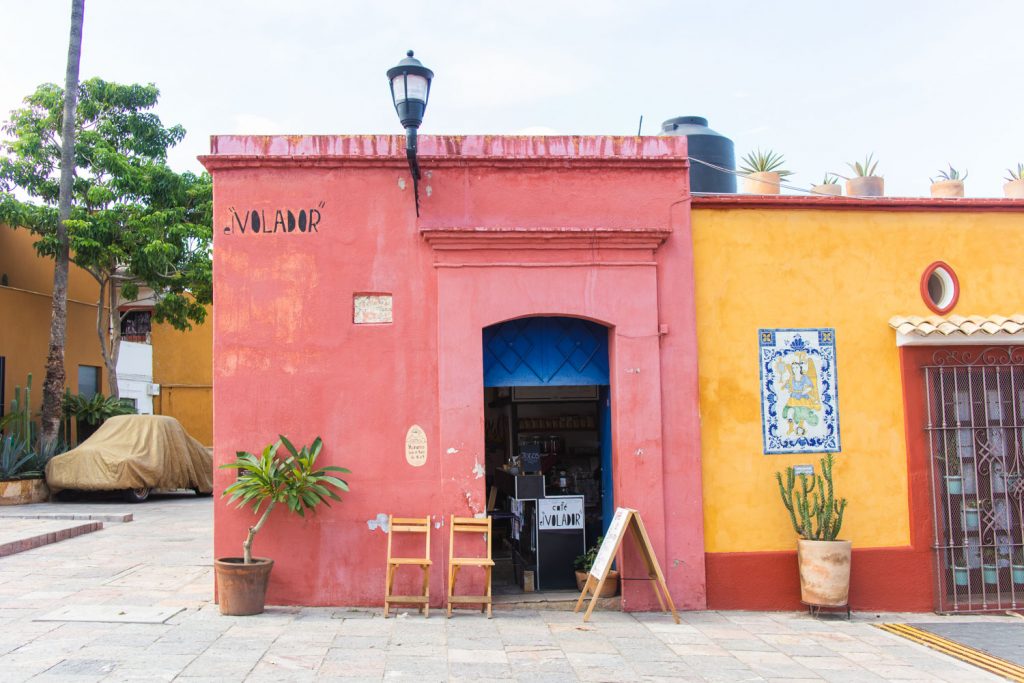
Other places to add to Google Maps: Gourmand, El Volador, Sushi Itto, Cabuche and SaChi-ta (I didn’t get to visit but it’s meant to be good Japanese food).
I hope this guide has inspired you to add Oaxaca to the list! If you’re daunted, then look into doing the same textile tour that I did (Traditions Mexico also run shorter excursions) or feel free to ask me any logistical questions. The aim is to increase my Spanish phases from the obligatory ‘No hablo español’ for next time.
Wondering how I budgeted for the tour? I also have a Money Diary!